Home / Press Room / Social
Social8 min read
TOORO AND THE TENFOLD ECONOMY
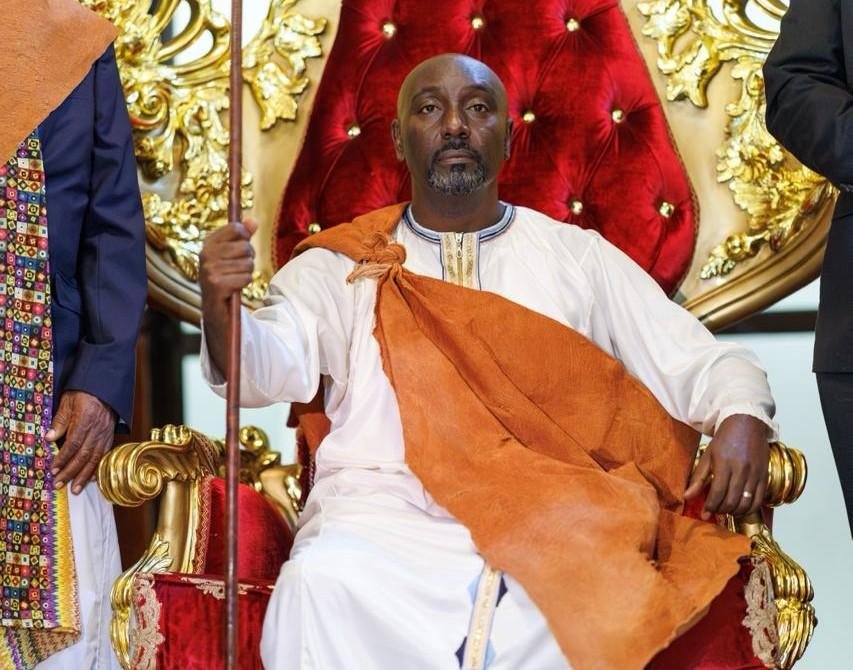
Uganda's kingdoms and its government are strategic allies. The state restored the kingdoms in 1993, protects them under Article 246 of the constitution and now pays for them; Parliament has approved UGX 60m a month for each cultural institution. What the kingdoms offer in return cannot be bought. In villages where a government official is a stranger, the king is not.
That alliance now needs a purpose big enough to match it. In the 2024/25 budget the government set out its tenfold growth strategy, which aims to take the economy from about $50bn to $500bn by 2040. That means doubling it roughly every five years. The plan rests on four sectors, known by their initials as ATMS: agro-industrialisation, tourism, minerals, and science, technology and innovation. Almost every kingdom in Uganda sits on assets in at least two of them. Tooro sits on three.
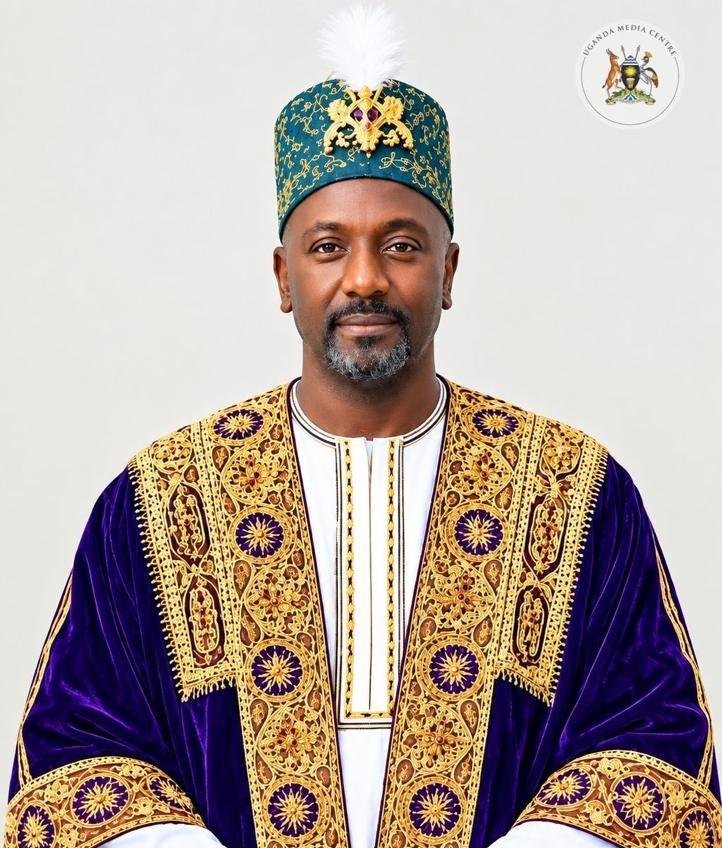
Tooro, whose new Omukama has just taken the throne, is a good place to test the idea. King Oyo was loved. His successor will have to earn that kind of affection, and one of the surest ways for him to win people over is to advance Tooro's development. A king who can point to a busier tea factory, a fuller guesthouse or a paid-off SACCO loan will not need to ask for loyalty.
The sub-region, six districts and Fort Portal City, had 2.15m people at the 2024 census, up from 1.59m a decade earlier. It is young and growing fast. It is also poorer than it should be. In March the Uganda Bureau of Statistics put multidimensional poverty in Toro at 31%, above the national rate of 27% and nearly four times Kampala's 8%. For a region blessed with some of the best farmland and scenery in East Africa, that makes little sense.
Take tea. The factories at Mpanga in Kabarole and Mabale in Kyenjojo are owned by smallholders, about 1,700 and 3,000 of them respectively. Both have come close to collapse under debt, and both were kept alive with help from the Uganda Development Corporation, Mabale in 2019 and Mpanga in 2021. They still sell black tea in bulk at the Mombasa auction, and the blending, the branding and most of the margin happen somewhere else.
Coffee tells a happier story, for now. Uganda earned $2.2bn from coffee exports in 2024/25, double the year before, and overtook Ethiopia as Africa's biggest exporter. Arabica prices in New York rose by 80% over the year. Kabarole grows arabica. Farmers who can raise their yields and sell processed, graded coffee rather than raw cherries stand to gain more than at any time in memory.
Then there is tourism. Uganda earned about UGX 5.8trn from 1.6m visitors in 2025. Tooro holds some of the country's best product, including Kibale National Park and its 1,450 or so chimpanzees, the crater lakes and the Rwenzori. Fort Portal calls itself Uganda's tourism city, yet most visitors still drive through on their way somewhere else.
And there is learning. Mountains of the Moon University in Fort Portal became a public university in 2022, and King Oyo opened an ICT skills centre for young people in the city. Those are the beginnings of the science and innovation base the strategy needs.
The kingdom itself has little money of its own; its last published annual budget was about Shs1.2bn. It cannot drive any of this alone. But it does not need to.
On agro-industrialisation, the kingdom's job is to push its farmers up the value chain. That means standing behind the farmer-owned tea factories, helping Kabarole's arabica growers build a brand the region can call its own, and encouraging processing of milk and bananas close to the farm. Every kilo of tea blended and packed in Tooro rather than Mombasa is money that stays at home.
On tourism, the kingdom holds assets no ministry can manufacture. Empango, the anniversary of a king's coronation, and Empaako, the naming system that UNESCO lists for urgent safeguarding, could anchor an annual calendar of heritage events. Uganda co-hosts the Africa Cup of Nations in 2027, and some of those fans will want to see more than a stadium. Tooro should be ready to receive them, with trained guides, clean guesthouses and something worth staying for.
On minerals, Tooro's own case is modest. The oil lies in neighbouring Bunyoro and the copper at Kilembe in Kasese. But the jobs and supply contracts will need workers, drivers, caterers and technicians, and the kingdom can help its young people prepare for them.
On science, the obvious partner is Mountains of the Moon University. A kingdom that brings the university's agronomists together with its farmers, and its ICT graduates together with its youth, would be doing exactly what the strategy asks.
None of this requires new money to begin. It requires better use of the money already flowing into Tooro's villages.
The Parish Development Model, launched in February 2022, had been capitalised with UGX 4.317trn by June this year. It reaches 3.57m people through 10,589 parish SACCOs, lending up to UGX 1m each at 6% a year. More than half the beneficiaries are women and nearly a third are aged between 18 and 30. Nationally, UGX 453.52bn of PDM money has gone into coffee, UGX 461.12bn into piggery and UGX 425.27bn into poultry.
Emyooga, the Presidential Initiative on Wealth and Job Creation, has been running since 2019. It funds SACCOs organised by trade in every constituency, from boda boda riders and market vendors to salon owners, carpenters, women entrepreneurs and young people. Each constituency started with UGX 560m, and SACCOs that met, saved and repaid qualified for a share of a further UGX 360m.
Both programmes depend on things a kingdom does well. A king who tells his people that a SACCO loan is a debt of honour will do more for repayment than any recovery drive. A kingdom that knows which families farm which hills can help steer enterprise groups towards tea and coffee processing, where the returns are highest. And a cultural leader standing beside a parish chief lends a government programme a legitimacy that no official, however capable, can manufacture alone.
Buganda has gone furthest. In July it unveiled a budget of Shs409.3bn for 2026/27, of which only Shs34.5bn comes from government. It expects Shs88.6bn from cooperatives and Shs16.4bn from Mwanyi Terimba Ltd, the company behind its coffee campaign. That campaign ran alongside the government's own push on coffee, and Uganda now earns more from the crop than ever before. That is what alignment looks like: a kingdom and a government pulling the same way on the same crop.
Busoga passed a budget of Shs55.4bn for 2022/23, to be raised from leases, royalties and ground rent. It also has about 840,700 people living below the poverty line. This month the president directed ministers to draw up development plans for every region, with particular attention to Busoga. The Kyabazinga's government should be in the room when that plan is written.
Bunyoro's budget for 2021/22 was Shs15.8bn, including Shs2bn in game-park royalties. Under the Public Finance Management Act of 2015, it also stands to receive a share of oil royalties set aside for cultural institutions. That money will do the most good if it is tied to published development spending from the start.
Tooro is the smallest of the four by budget. It also has the most to gain from getting this right.
None of this works if people do not understand what is on offer. Too many Ugandans have heard of PDM and Emyooga without knowing how to join, what they can borrow or what is expected in return.
At the Uganda Media Centre, we have been translating government policies into local languages so that Ugandans understand the opportunities open to them. The kingdoms are natural partners in that work. They have the language, the gatherings, the elders and, in some cases, their own radio stations. A policy explained in Rutooro will travel further than one printed in English in Kampala.
So, what can the new Omukama do?
The new king could start by committing Tooro, in writing, to the tenfold strategy, with two or three targets his people can measure him by: more tea processed at home, more visitors staying the night, more young people in skills training. He could tie the kingdom's UGX 60m monthly allocation to development, adopting the split of 70% for development and 30% for administration that MPs have proposed, and publish the accounts.
He could make his kingdom the most effective mobiliser for PDM and Emyooga in the country, working with parish chiefs and pressing for repayment. He could put the throne's weight behind Mpanga and Mabale, and behind an arabica brand for Tooro. He could turn Empango and Empaako into a tourism calendar.
The government needs the kingdoms to reach people it cannot easily reach. The kingdoms need the government's programmes, money and markets to deliver the prosperity that justifies their thrones. A tenfold economy will not be built in Kampala alone. Much of it will be built on tea estates in Kyenjojo, coffee farms in Kabarole and guesthouses in Fort Portal.
Tooro's new king has a chance to show how. His people will judge him, as they judged his cousin, by how he makes them feel. They will judge him even more by what he helps them earn.